Storm protection without the shutters
Large-missile-rated glass takes the hit and keeps the opening sealed. No panels to hang, no plywood, no scramble before landfall — your home is ready the moment the windows are in.
Florida Product Approved, large-missile-rated impact windows installed by a local crew — stronger against storms, quieter every day, and fully documented for your insurance discount.
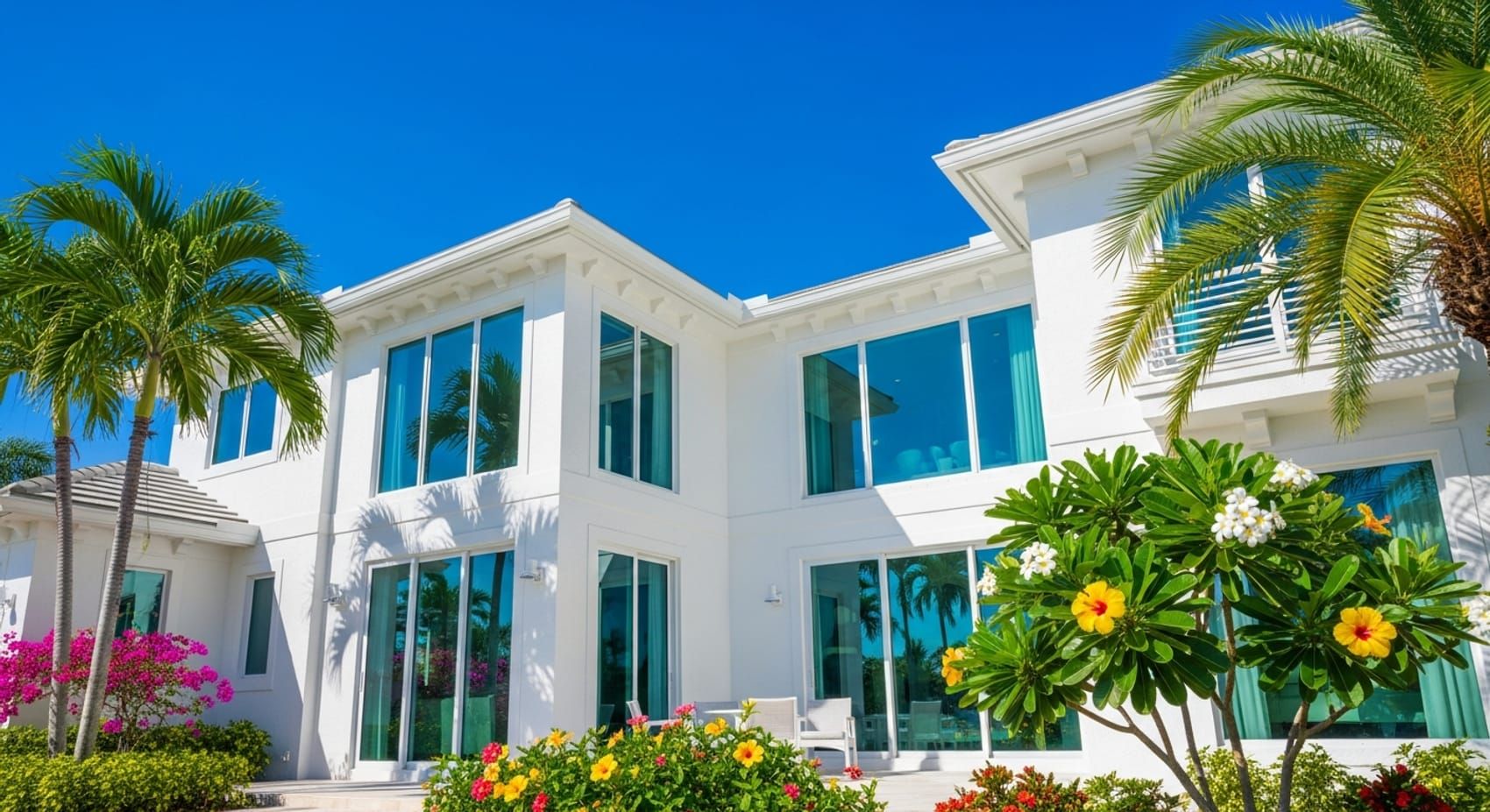
Impact windows are the single most effective upgrade a Palm Beach County homeowner can make to harden a house against hurricanes — and they earn their keep the other fifty-one weeks of the year, too. Each unit pairs laminated, missile-rated glass with a structurally reinforced frame, so the opening stays sealed against wind-driven rain and flying debris instead of becoming the weak point that lets a storm tear a roof off from the inside.
We are a local, licensed installer, which matters more than most homeowners realize. The difference between a window that performs as tested and one that fails is almost always the installation: the right Florida-approved product for your wall, anchored to the correct embedment, sealed continuously, and inspected. That is what this page walks through — how impact window installation actually works here, the window types we build, and how to read the approval paperwork so you know exactly what you are buying.
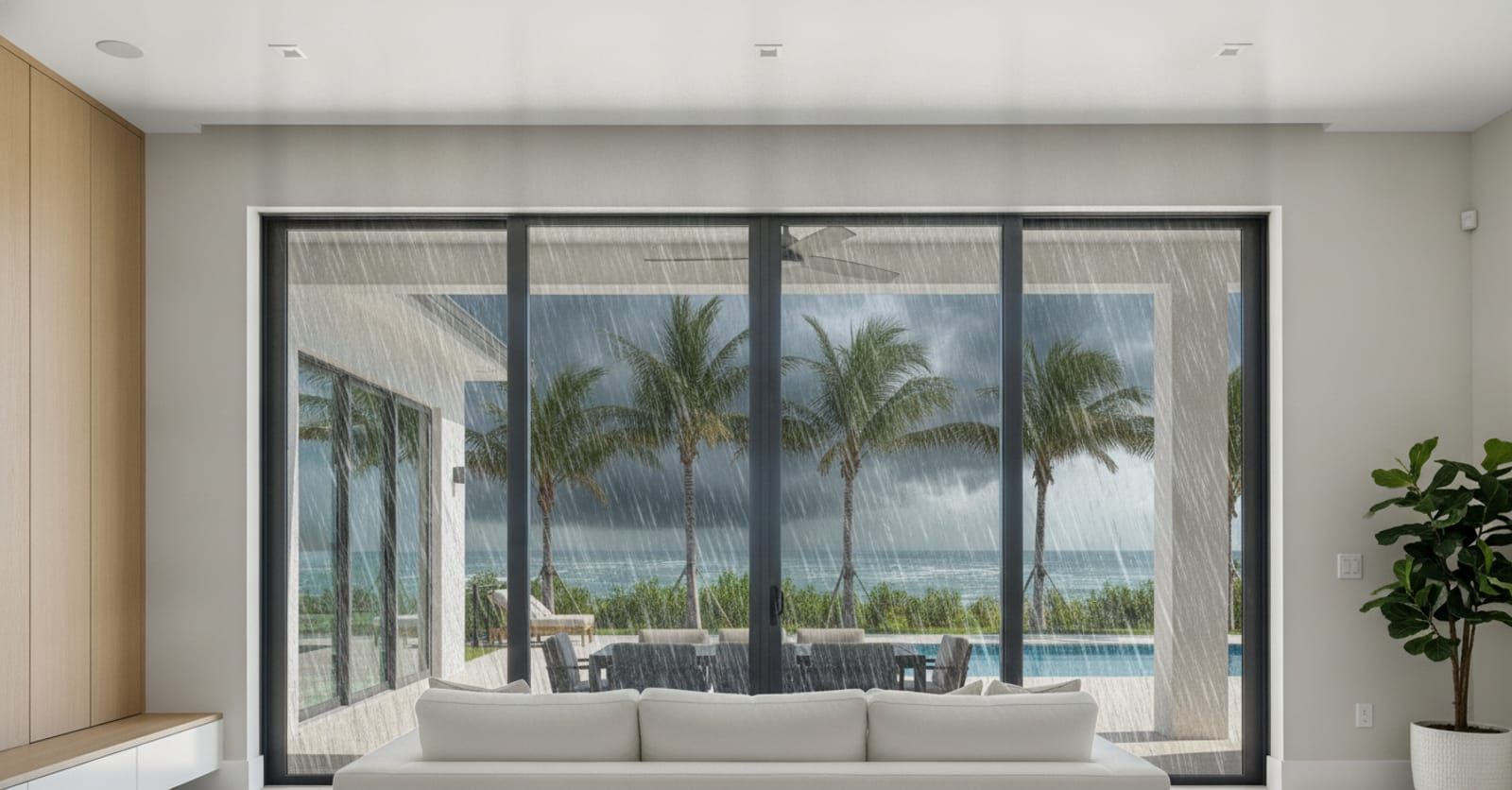
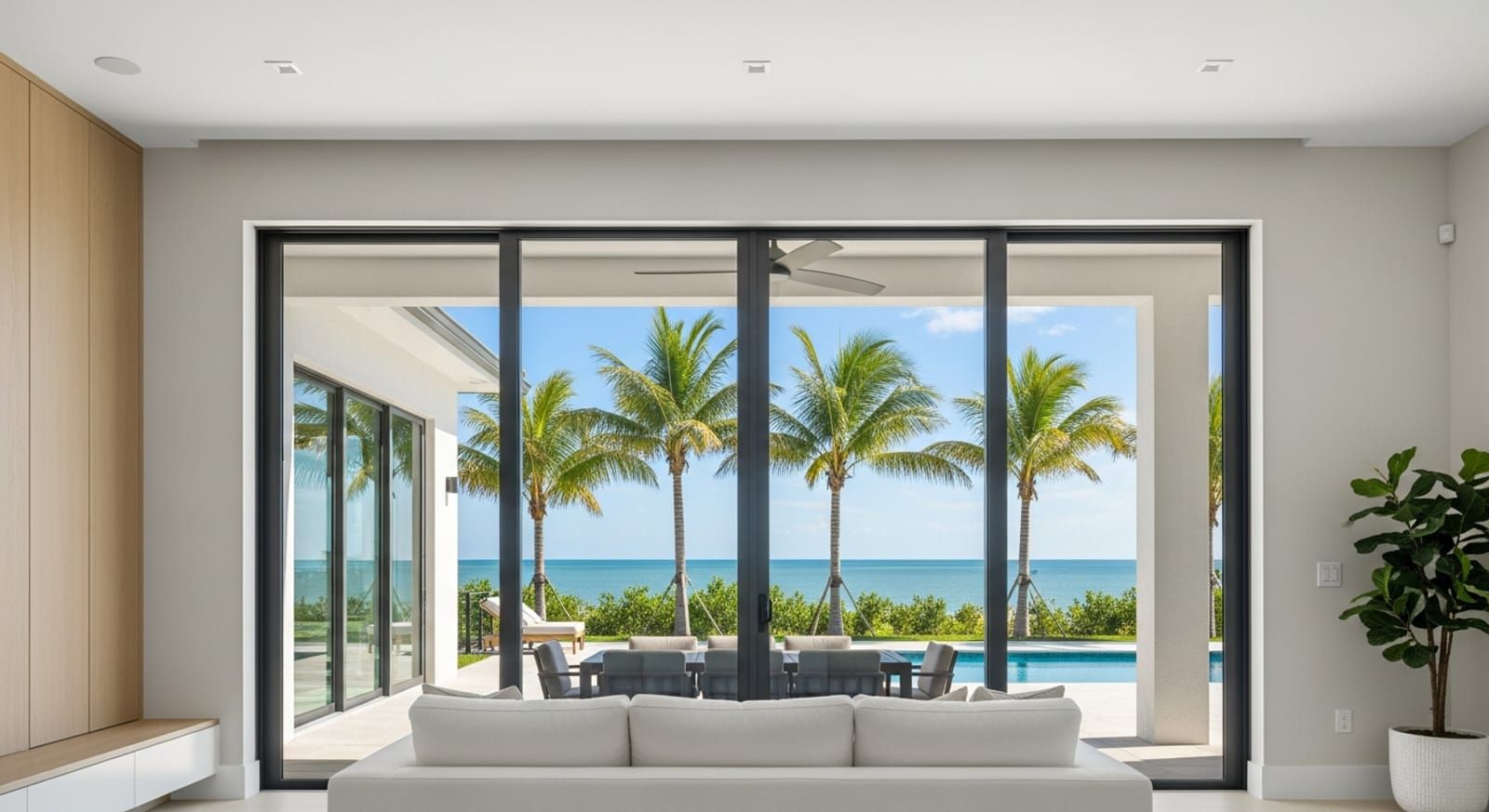
Drag the handle. The same pane that frames a quiet, sunlit Palm Beach room is the barrier holding back 150-plus-mph wind and the debris it carries. That is the job an impact window does in one product.
Storm protection is the headline, but it is rarely the only reason people are glad they made the change.
Large-missile-rated glass takes the hit and keeps the opening sealed. No panels to hang, no plywood, no scramble before landfall — your home is ready the moment the windows are in.
Impact-rated opening protection is one of the biggest line items Florida insurers credit on a wind-mitigation inspection. We hand you the documentation for it — details on the insurance-discount page.
The same laminated interlayer that stops debris is excellent at damping sound. Most homeowners hear roughly half the outside noise — traffic, mowers, aircraft — the day the windows go in.
Impact glass filters out the vast majority of ultraviolet light, so floors, rugs, furniture, and art hold their color far longer under the Florida sun.
A laminated unit is dramatically harder to break through than ordinary glass, and Low-E coatings cut solar heat gain — a quieter, more secure, more efficient home, not just a storm shield.
Arched, radius, and custom shapes are all available impact-rated, so you upgrade the protection without flattening the architecture that makes your home yours.
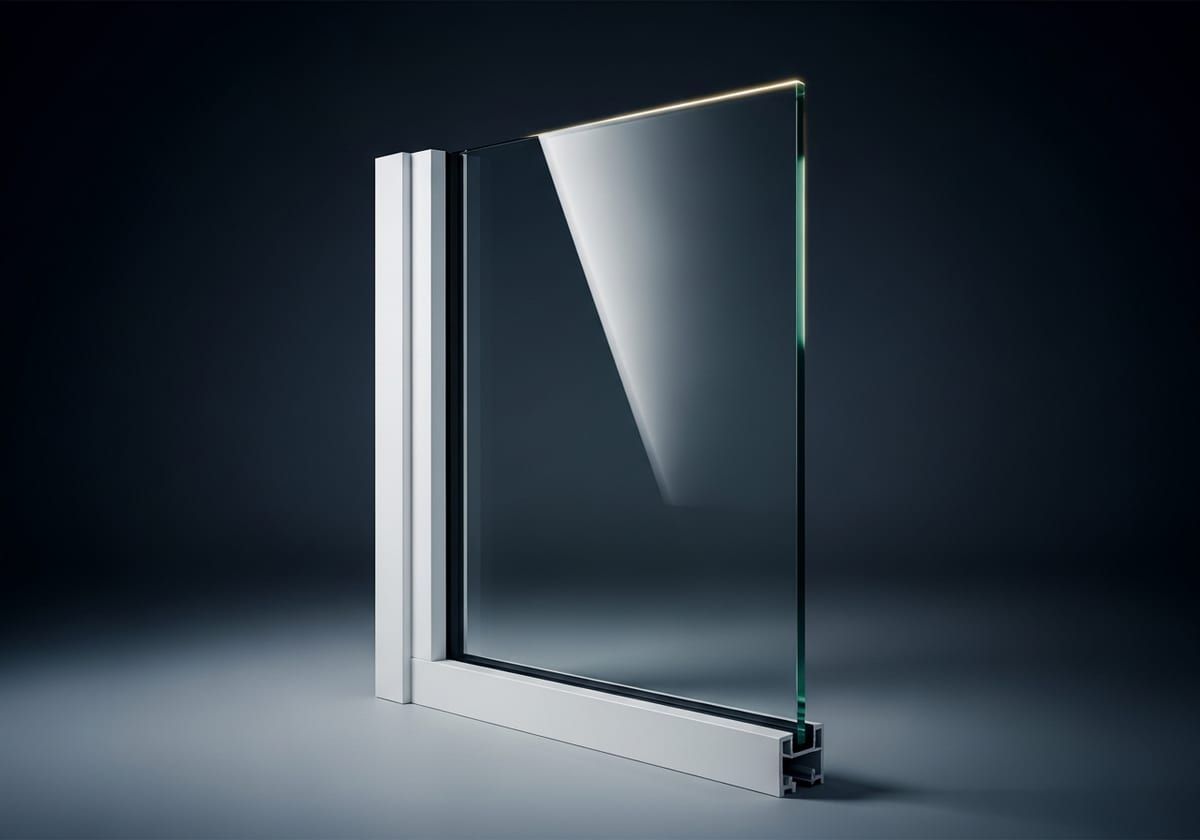
Two windows can carry the same sticker and perform completely differently. These are the install details that decide whether yours holds when it counts.
From the first measurement to your insurance paperwork, here is the path a Palm Beach County project actually follows.
A local estimator measures every opening and talks through your goals — storm protection, noise, insurance, or the grant. You get a clear, written estimate, not a phone guess.
We match each opening to a Florida Product Approved (FL#) impact system with the correct design-pressure (DP) rating for your wall, plus your choice of frame material, glass package, and finish.
We pull the building permit with your municipality or Palm Beach County and file the product approval and engineering. Knowing each jurisdiction’s quirks is exactly where a local installer saves you weeks.
Your windows are built to the exact size and shape of each opening. This is the longest part of the timeline — usually several weeks — and it is why a real schedule beats a same-week promise.
We remove the old units, set and anchor the new frames to the approved embedment, seal the perimeter continuously, and fit and adjust the hardware — typically one to three days, with the house never left open overnight.
The municipal inspector confirms the installed product and method match the approval on file. Passing inspection is what makes the work count for insurance and resale.
We hand off everything you need for an OIR-B1-1802 wind-mitigation inspection so you can pursue your insurance discount, plus the paperwork for the My Safe Florida Home grant if you qualify.
Ready for a real number and a real timeline for your home?
Get a Free EstimateWhatever shape your openings are now, there is an impact-rated version that keeps the same look and operation.
The Florida classic — sashes that slide vertically, with a clean profile and easy operation.
Crank-out windows that seal tightly and catch a breeze — excellent energy performance.
Wide openings that glide side to side — a popular fit for living areas and bedrooms.
Non-opening units that maximize the view and the glass-to-frame ratio for big walls of light.
Hinged at the top to open outward — ventilation that works even in light rain.
Radius tops, half-rounds, and custom geometry — storm-rated without losing the design.
Frames come in both aluminum and vinyl with a range of finishes and Low-E glass packages. Most full-home projects land in a wide range that depends on the count, size, and shape of your openings, so we quote on-site rather than over the phone — the cost guide breaks down what drives the number.
Palm Beach County is the Wind-Borne Debris Region (WBDR) — not the High-Velocity Hurricane Zone (HVHZ), which is Miami-Dade and Broward only. That means your windows must be impact-rated and carry a valid approval, installed exactly as that approval was tested. Here is what the documents actually mean.
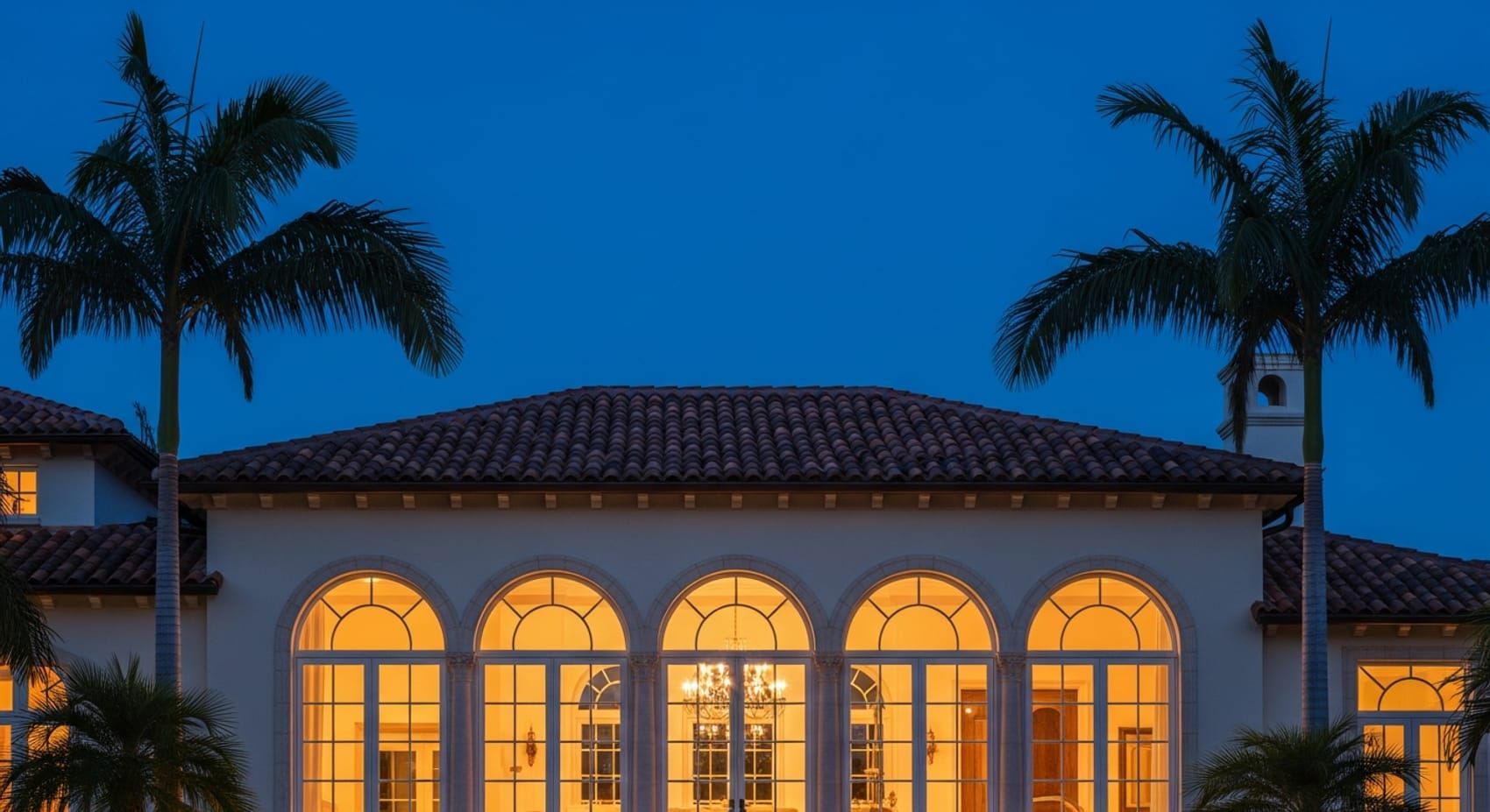
Once the windows are in, hurricane season stops being a chore. No panels in the garage, no last-minute scramble — just a quieter, cooler, more secure home that happens to be ready for anything the Atlantic sends.
A local estimator visits, measures, and walks you through options, Florida Product Approval (FL#) paperwork, financing, and any grant or insurance savings you qualify for. No pressure, no call center.