Hurricane windows, rated for the Palm Beach storm zone.
Hurricane windows are impact windows — the same laminated-glass system, engineered for Florida’s design wind loads and tested against large-missile debris. Installed by a licensed local crew, Florida Product Approved.
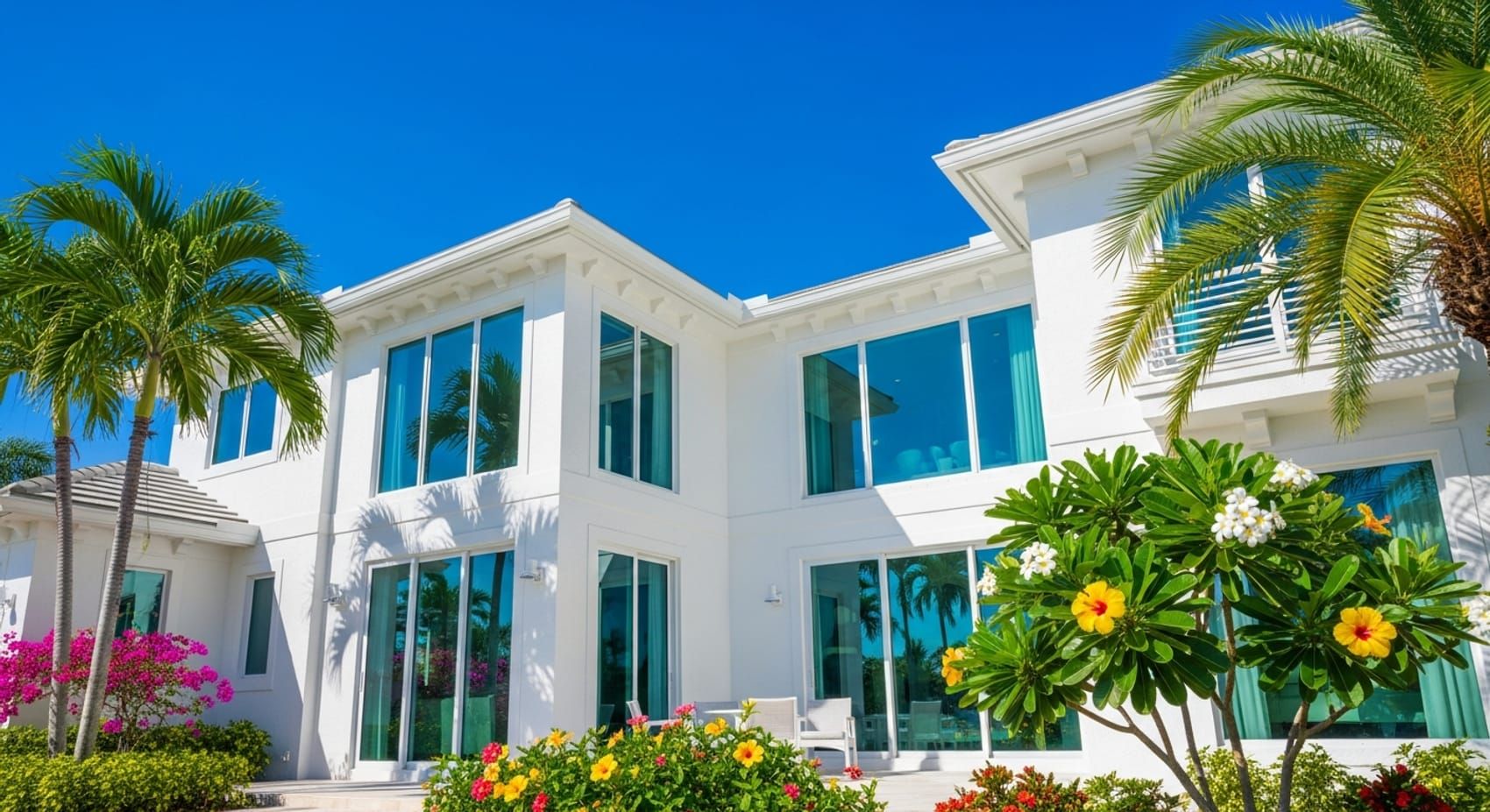
“Hurricane windows” and “impact windows” are the same thing
If you have collected a few quotes, you have probably seen the same window sold under different labels — hurricane windows, impact windows, impact-resistant windows, hurricane-impact windows. They all describe one piece of technology: a window built around laminated glass, in which a tough plastic interlayer is permanently bonded between two panes. When something hits it, the outer glass can crack, but the interlayer holds the opening shut against wind and water. That is the whole game in a hurricane — not the glass surviving unbroken, but the building envelope staying sealed so storm pressure never gets inside to lift your roof.
So when you compare a company quoting “hurricane windows” against one quoting “impact windows,” you are comparing the same category. What actually differs from unit to unit is the glass thickness and interlayer, the frame material, the design-pressure rating, the energy performance, and the quality of the installation. We use the engineering name on our impact windows page; this page uses the name most Palm Beach County homeowners search for. The product is identical.
Built for Palm Beach County’s wind loads — the WBDR, not HVHZ
Miami-Dade and Broward are the High-Velocity Hurricane Zone (HVHZ). Palm Beach County is the Wind-Borne Debris Region (WBDR) — a real distinction that changes which approvals an installer can legally use here. Plenty of out-of-county crews get it wrong.
There is no single “mph” rating — there’s a DP rating
Homeowners often ask, “How many miles per hour are these windows rated for?” It is a fair question with a more useful answer. Windows are not rated for a wind speed; they are rated for a design pressure (DP) — the positive and negative load, in pounds per square foot, the unit can take without failing. The required DP for a given opening comes out of the Florida Building Code and ASCE 7: it depends on the building’s height, its exposure category, and where the opening sits on the wall. A large second-floor corner window faces a very different load than a small, sheltered one.
For perspective, Palm Beach County’s ASCE 7 ultimate design wind speeds run roughly 165 mph inland and climb higher — toward 170 mph and up — along the coast and barrier islands. A qualified installer translates that into the right DP-rated product for each opening — which is exactly why a real quote requires measuring your home, not reading numbers off a brochure. On top of the pressure rating, every impact unit must pass a two-part storm test:
- Large-missile impact — a roughly nine-pound piece of lumber is fired at the glass to simulate flying debris. The interlayer must hold the opening intact.
- Cyclic pressure loading — the unit is then pushed and pulled through thousands of pressure cycles that mimic a hurricane’s sustained, gusting wind without the breach opening up.
Pass both, plus the water-infiltration and structural tests, and the product earns its FL# — the approval that lets it be permitted and installed here. We handle that permitting and the inspection paperwork as part of the job.
What hurricane windows do for a Palm Beach home
Want a real number for your home? We measure every opening and quote on-site.
Book a Free EstimateWhat hurricane windows cost in Palm Beach County
Hurricane windows cost is rarely a single sticker price — it is the sum of a handful of choices, which is why two homes of the same size can land far apart. The biggest drivers are:
- Number and size of openings — a large picture window or a wide opening costs more than a small bedroom unit, and a whole-home package is where the best insurance credits and grant eligibility kick in.
- Glass package — interlayer thickness, plus options like low-E coatings, laminated-insulated (double-pane) glass, and acoustic or tinted variants.
- Frame material — aluminum vs. vinyl, finish color, and whether you are keeping the existing buck or replacing it.
- Shape and access — arched, radius, and custom shapes, plus second-story or hard-to-reach openings that take more labor.
Because of that, we give you a real number after an on-site measure rather than guessing over the phone. The good news is the net cost is usually lower than the quote: financing spreads it into monthly payments, the My Safe Florida Home grant can offset a real share, and a wind-mitigation insurance discount keeps paying you back every renewal. For a full breakdown of ranges and what drives them, read our dedicated hurricane windows cost guide.
Hurricane windows vs. hurricane shutters
Both meet the code requirement for opening protection, but they ask very different things of you. Here is the honest side-by-side — and the full breakdown lives on our windows vs. shutters page.
| Hurricane Windows | Hurricane Shutters | |
|---|---|---|
| Storm prep | None — already installed | Close every opening before each storm |
| Everyday benefit | Quiet, UV protection & security year-round | None between storms |
| Insurance credit | Strong when whole-home | Partial; varies by type |
| Off-season storage | Nothing to store | Panels must be stored & maintained |
| Upfront cost | Higher, permanent | Lower, with ongoing handling |
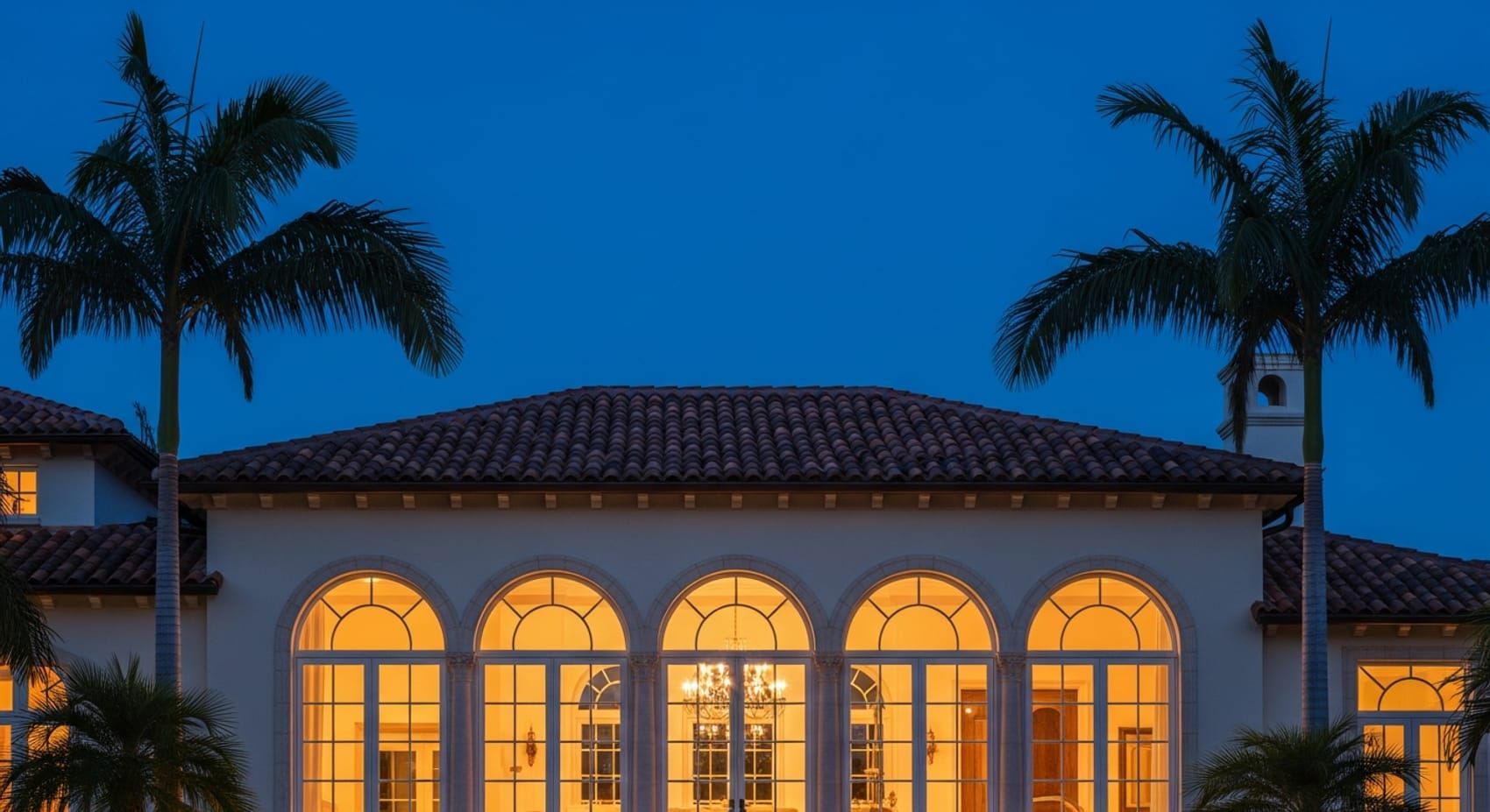
The best time to install is before a storm is named.
Impact windows are made to order and the install needs a county permit, so the calm window to plan is late fall through spring. Order then and your home is hardened before the first watch — not stuck in the rush when everyone calls at once.
Hurricane window FAQs
Are hurricane windows the same as impact windows?
What wind speed are hurricane windows rated for in Palm Beach County?
How much do hurricane windows cost?
When should I install hurricane windows before hurricane season?
Do hurricane windows lower my home insurance?
Hurricane windows or hurricane shutters — which is better?
Beat the rush. Harden your home before the next storm.
A local estimator measures every opening, matches the right DP-rated unit to each one, and walks you through Florida Product Approval (FL#) paperwork, financing, grant, and insurance savings. No pressure, no call center.