Impact sliding glass doors that open to the coast.
Wide-span impact sliding glass doors give you the uninterrupted Palm Beach view and the breezy indoor-outdoor flow — with every panel a tested, large-missile barrier. No shutters, no panels to store, no compromise on the look.
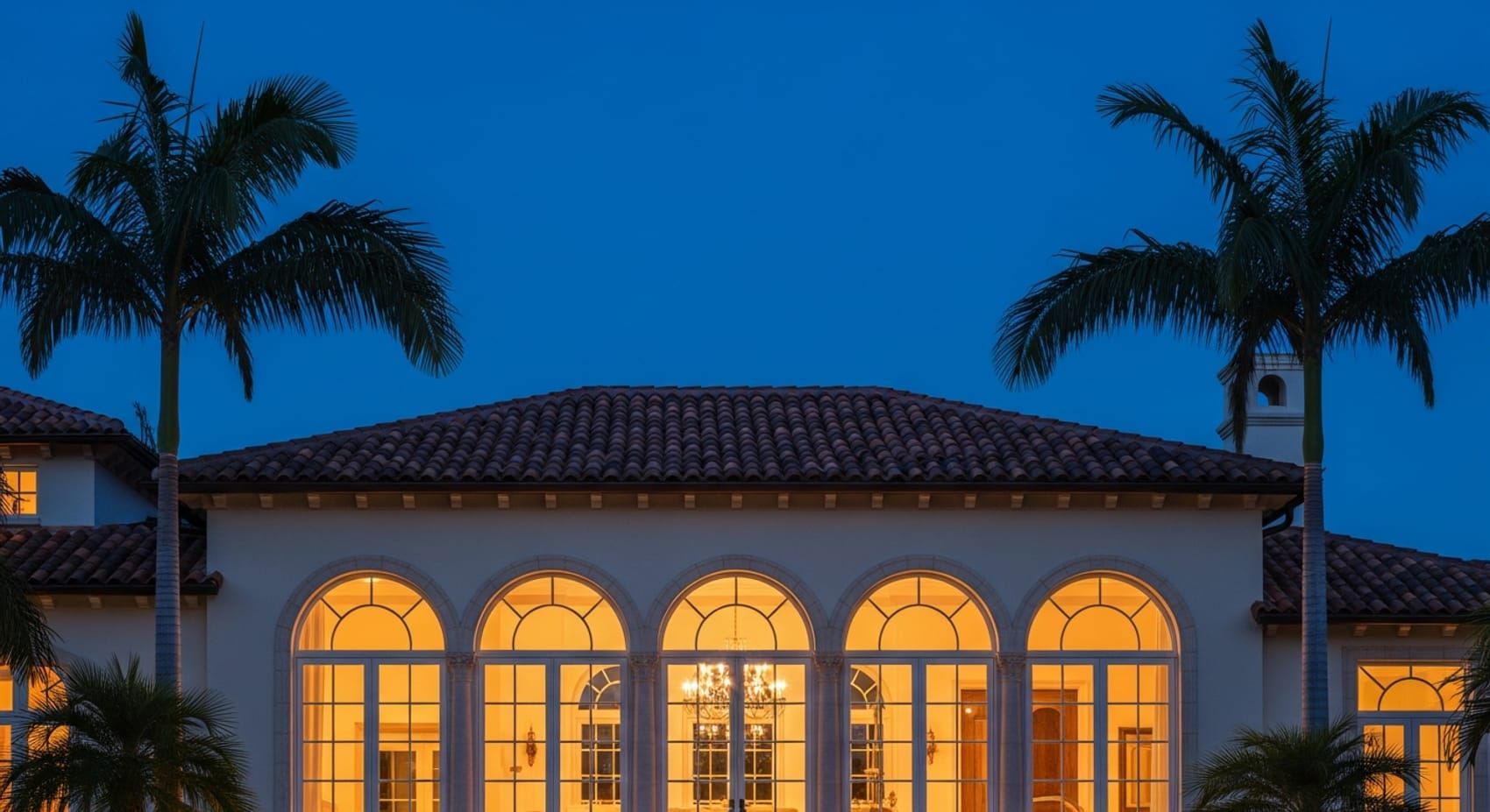
A whole wall of glass — without the vulnerability
A wall of glass is half the reason people move to the coast, and for decades it also meant a wall of exposure when a storm spun up. Modern impact sliding glass doors change that math. You get the wide, uninterrupted view and the easy indoor-outdoor flow of a classic patio slider, but every panel is a tested, large-missile barrier on its own — no shutters to wrestle into the tracks, no plywood, no metal panels stacked in the garage waiting for a watch to become a warning.
Because the protection is built into the door, an impact slider does its job whether you are home or three states away when the cone shifts. The same laminated glass that frames a quiet, sunlit room is what stands between your living space and 165-mph wind-borne debris: even if the outer pane is struck and cracks, the bonded interlayer holds the opening shut against wind and driving rain. It is the same standard we hold our impact windows and the rest of our impact door lineup to.
Two panels, four panels, pocketing, or a disappearing corner
“Sliding glass door” covers a lot of ground. The right configuration depends on how wide your opening is, which way you want the traffic to flow, and how much of the wall you want to disappear when the door is open. These are the layouts we install most across Palm Beach County homes — each available as a fully impact-rated system.
| Configuration | How it works | Best for |
|---|---|---|
| Two-panel (XO / OX) | One fixed panel and one that glides past it. | Standard patio, bedroom, and den openings. |
| Three-panel (XOX / OXO) | A center or end panel slides while the others stay fixed. | Wider living-room and great-room walls. |
| Multi-panel stacking | Several panels ride parallel tracks and stack to one side. | Opening most of a wall onto a lanai or pool deck. |
| Pocket slider | Panels slide fully into a pocket framed inside the wall. | A true open-air room with no door visible when stowed. |
| 90° corner unit | Two runs meet with no corner post when open. | Wrapping a view around the corner of the home. |
Not sure which fits? That is exactly what the free in-home measure is for — we look at the structural opening, the header above it, and the wind load for your address, then spec the widest configuration that stays inside the product’s tested limits.
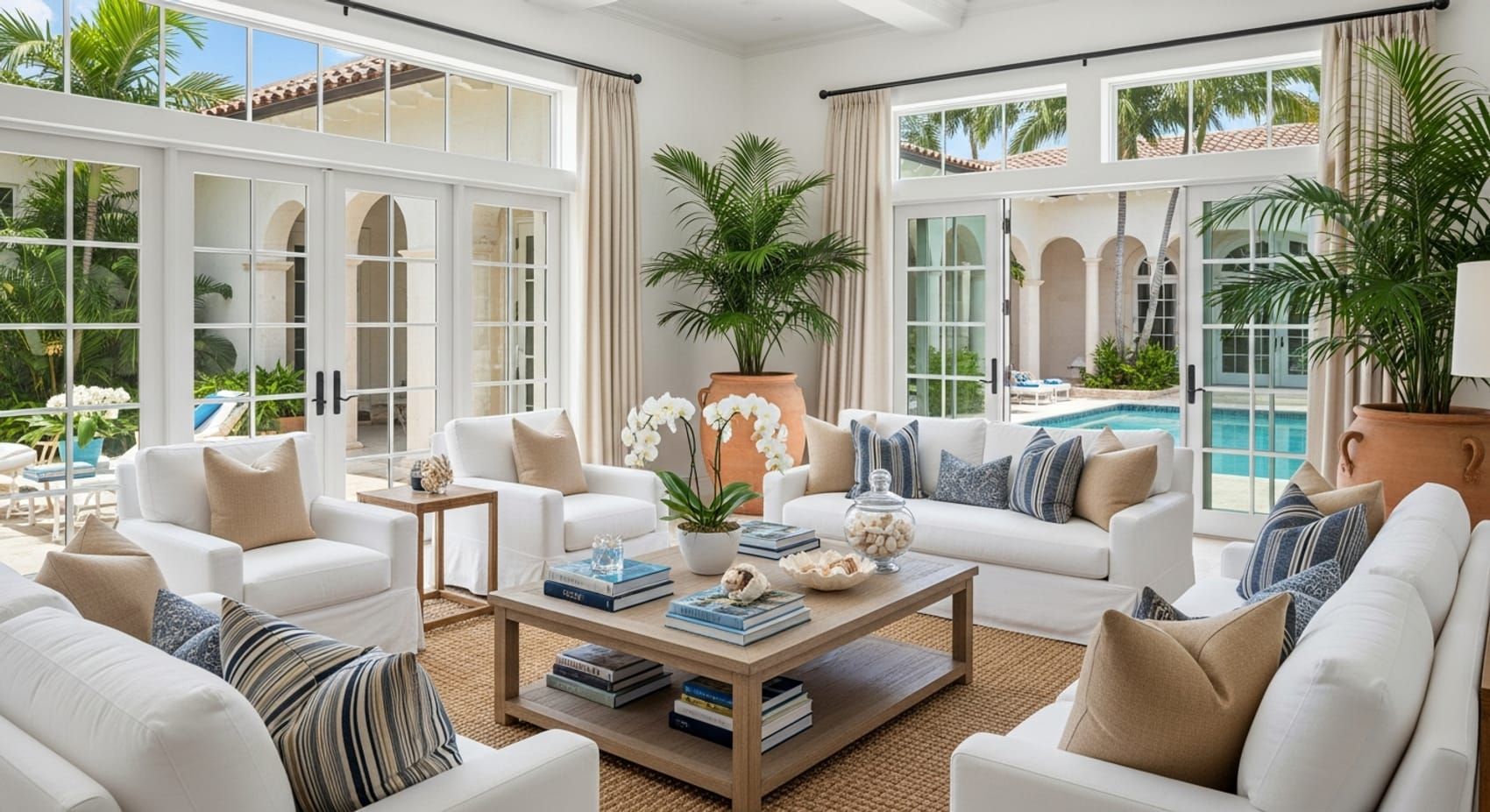
Bring the outside in — and keep the weather out
A slider earns its keep long before hurricane season. The same laminated glass that hardens the wall cuts street and pool-deck noise by about half, filters out the UV that fades floors and furniture, and seals far tighter than the drafty aluminum slider it replaces — so the room stays cooler and the AC works less.
What makes a slider “impact,” not just big
A wide pane of ordinary glass is the most fragile thing on a Florida wall. Turning a slider into a storm-rated barrier takes more than thicker glass — it is a system where every part is sized to the same wind load:
- Laminated impact glass. Two panes bonded to a tough interlayer; the glass can crack under a flying roof tile, but the membrane keeps the opening sealed against pressure and water.
- Reinforced frame, sill, and head track. Heavy extruded aluminum anchored into the structure so storm pressure can’t pull the door out of the wall or rack the panels.
- Interlocking meeting stiles. Where panels meet they hook together, turning separate panels into one continuous barrier when the door is shut and locked.
- Stainless tandem rollers. Corrosion-resistant rollers carry the extra weight of laminated glass and keep a large door gliding smoothly for years in salt air.
- Multi-point locking hardware. Several lock points engage the frame at once, both for storm performance and for the everyday security a single latch can’t match.
Every system we install carries a Florida Product Approval (FL#), and Miami-Dade NOA where it applies, with a Design Pressure (DP) rating matched to the size of the opening and its exposure. That paperwork is what a Palm Beach County inspector signs off on — and what an insurer wants to see at wind-mitigation time.
Approved for the Wind-Borne Debris Region — not just ‘HVHZ’
Plenty of out-of-county crews quote “Miami-Dade HVHZ” doors for Palm Beach homes. The High-Velocity Hurricane Zone is Miami-Dade and Broward only. Palm Beach County is the Wind-Borne Debris Region (WBDR), which changes the approvals an installer can legally use here — and we spec to it.
Ready to see how wide your wall can open?
Book your free measureWhy we quote a slider on-site
There is no honest flat price for an impact sliding glass door, because the things that move the number most are specific to your wall: the span, the number of panels, whether it pockets or turns a corner, the glass and finish you choose, and whether the opening needs structural work. A two-panel bedroom slider and a four-panel pocketing great-room wall are very different projects.
So we measure first and quote a real number — then show you how to soften it. Many homeowners pair the project with monthly financing, recover part of it through a wind-mitigation insurance discount, and check eligibility for the My Safe Florida Home grant. Our cost guide breaks down what drives the total before you ever schedule a visit.
Built to perform — every day, not just in a storm
Impact sliding glass door questions
Are impact sliding glass doors strong enough without shutters?
How wide can an impact sliding glass door be?
Do impact sliding glass doors qualify for an insurance discount?
Will a heavy impact slider still glide easily?
Can I replace just the slider, or does the whole opening change?
How much do impact sliding glass doors cost in Palm Beach County?
Open up the view. We’ll handle the storm.
A local estimator measures your opening, shows you the configurations that fit, and walks you through Florida Product Approval (FL#) paperwork, financing, and any grant or insurance savings you qualify for. No pressure, no call center.