Impact-resistant windows, decoded.
What "impact-resistant" really means, how to read the approvals and ratings that prove it, and how to spot a genuinely storm-rated window from a look-alike — written for homeowners in the Wind-Borne Debris Region.
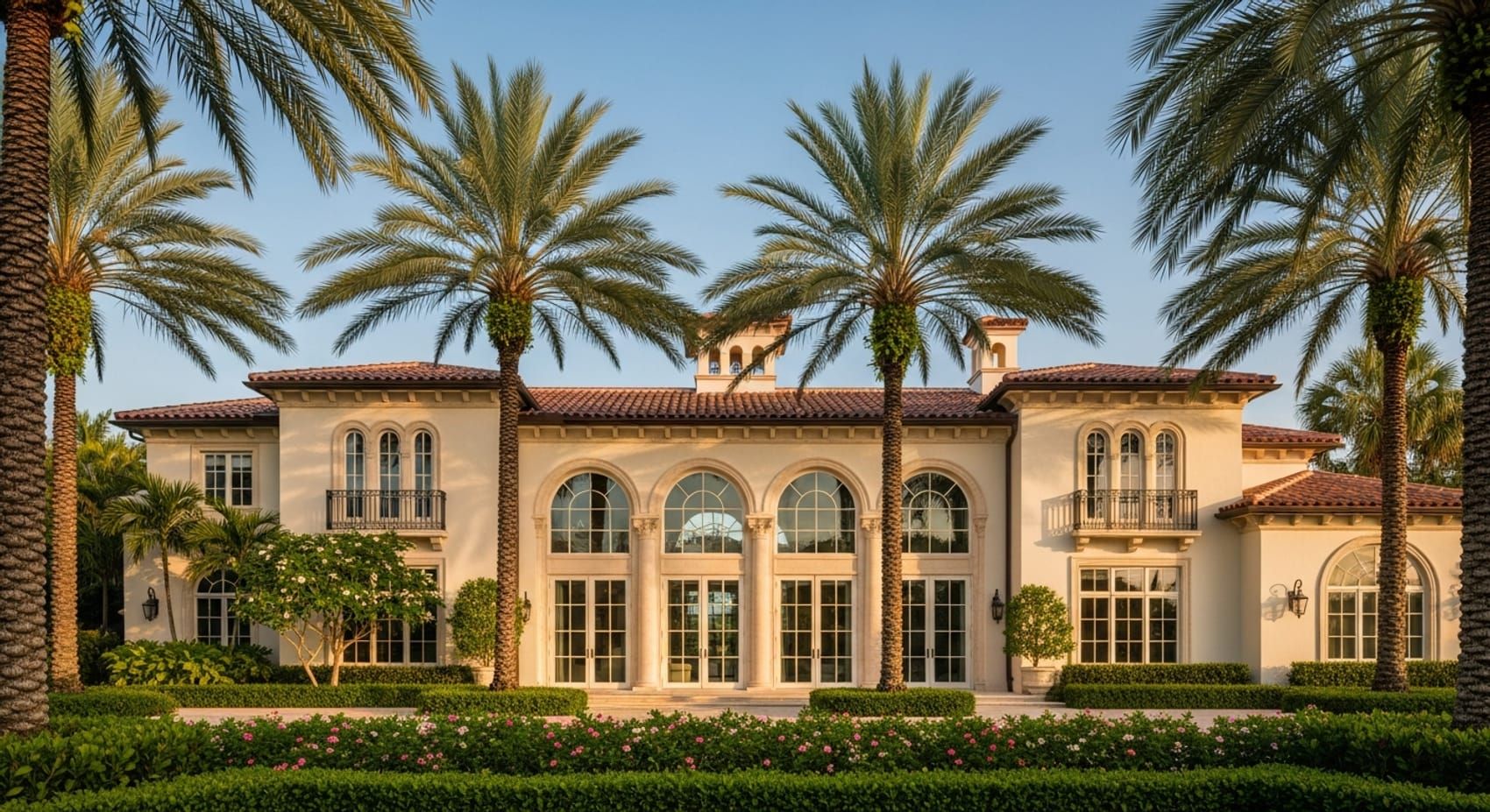
What “impact-resistant” really means
Impact-resistant windows are engineered glass-and-frame systems designed to survive hurricane-force wind and flying debris without the opening ever failing. Unlike an ordinary window — which shatters into loose shards the instant a roof tile or branch hits it — an impact-resistant window is built around a laminated pane that stays bonded to a tough interlayer even after it cracks. The glass can break; the barrier does not. That single difference is what keeps wind, rain, and pressure out of your home when a storm peels other houses open.
For homeowners across Palm Beach County, that protection isn’t optional fine print — it’s the local building standard. This guide explains exactly what makes a window impact-rated, how to read the approvals and ratings that prove it, and how to tell a genuinely storm-rated product from a look-alike. By the end you’ll be able to read a window’s spec sheet the way a permit reviewer does.
We install nothing but impact-rated windows and doors, and we do it to the letter of the Palm Beach County code — because here, getting the approvals wrong means a failed inspection at best and an unprotected home at worst. We’re a licensed, insured Florida contractor.
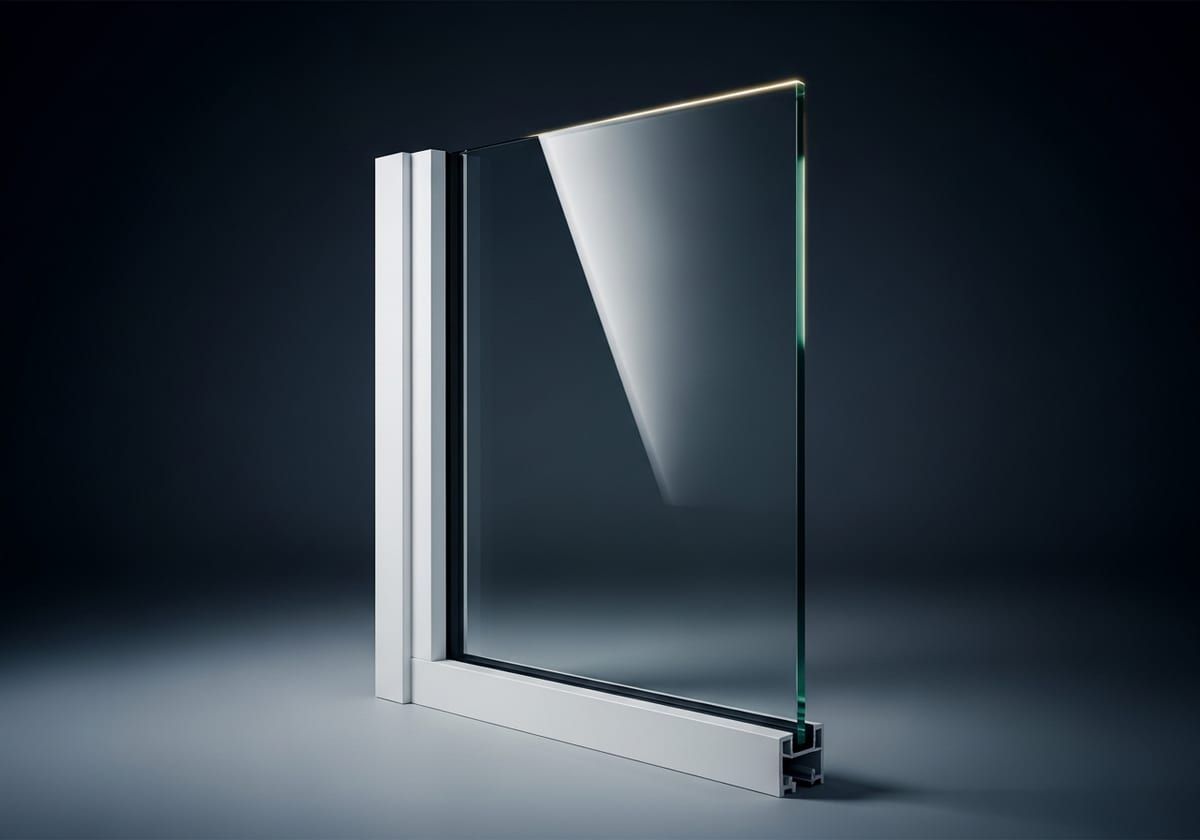
Three layers and an anchor — one job: hold the opening
Impact glass isn’t one thick pane. It’s a bonded laminate set in a frame engineered to stay in the wall. Here’s what each part actually does when debris hits.
Impact-resistant windows vs. storm shutters
Both can satisfy the code’s opening-protection requirement. The difference is what you live with the other 360 days a year.
| What matters | Impact-resistant windows | Storm shutters |
|---|---|---|
| Protection with zero setup before a storm | ✓ Always in place | — Must be closed each time |
| Opening stays sealed if the glass is struck | ✓ Interlayer holds the pane | — Glass behind can still break |
| Cuts everyday outside noise | ✓ Yes | — No |
| Blocks UV fading of floors & furnishings | ✓ Up to ~99% | — Only when deployed |
| Improves daily security & break-in resistance | ✓ Yes | — Only when deployed |
| Keeps your view and daylight during a storm | ✓ Yes | ✗ Blocks light and view |
| Can count toward a wind-mitigation insurance credit | ✓ Yes | ✓ Yes |
Neither is "wrong" — it’s a budget-and-lifestyle call. Read the full breakdown in impact windows vs. hurricane shutters.
Palm Beach County is the Wind-Borne Debris Region — not HVHZ
The High-Velocity Hurricane Zone (HVHZ) is Miami-Dade and Broward only. Palm Beach County is the Wind-Borne Debris Region (WBDR). That changes which approval an installer can legally use here — and plenty of out-of-county crews get it backwards.
Florida Product Approval (FL#) vs. Miami-Dade NOA
Two different approvals can make a window legal to install in Palm Beach County, and a good installer knows which one your project needs. The first is the Florida Product Approval — a statewide certification from the Florida Building Commission. A product that has passed impact and pressure testing to the Florida Building Code gets an “FL#####” number you can search in the state’s public Product Approval system. That FL number is valid anywhere in Florida, including the entire Wind-Borne Debris Region.
The second is the Miami-Dade Notice of Acceptance (NOA), issued by Miami-Dade County’s Product Control section. It’s the most stringent approval in the state and is what the High-Velocity Hurricane Zone requires. NOA-approved products are accepted statewide too — so a window can carry an NOA, an FL#, or both.
Here’s the part out-of-town crews get wrong: because Palm Beach County is the WBDR and not the HVHZ, your windows must be impact-rated and carry a valid FL# — and a Miami-Dade NOA is accepted but never required. Either approval ties back to a specific tested configuration: exact sizes, glass make-up, missile level, and Design Pressures. When you pull a permit, the building department matches that approval against the wind-load design for your address before signing off. That’s why we document the FL# (or NOA) for the precise product going into each opening — see how it works on our impact windows service page.
Not sure which Design Pressure or approval your address actually requires? We’ll size every opening and put the FL# in writing.
Get a Free EstimateRatings decoded: Design Pressure & missile levels
Two numbers tell you whether a window can actually protect your home: its Design Pressure and its missile rating. Together they describe the wind load the window survives and the debris impact it absorbs.
- Design Pressure (DP) is the structural wind load, in pounds per square foot, that a window is tested to withstand — both positive pressure pushing the window in and negative pressure (suction) pulling it out. A higher DP means a stronger unit. The number you need isn’t universal: it comes from a wind-load calculation for your specific home — its height, how exposed it is to open water or open terrain, and the size of each opening all move it. Big openings and waterfront exposure demand higher DP.
- Large Missile rating is the projectile test that matters for almost every home in Palm Beach County. It fires a roughly 9-pound 2x4 at the glass at about 50 feet per second, then cycles the pressure thousands of times to simulate a storm. It’s required for openings from ground level up to 30 feet above grade — which covers virtually all single- and two-story homes.
- Small Missile rating uses small steel balls instead of a 2x4 and applies only to openings more than 30 feet above grade, where only light debris like roof gravel is expected. Unless you’re on an upper floor of a tall building, Large Missile is the standard your windows should meet.
When you compare quotes, line up the missile level and the DP per opening — not just the brand. A window that’s Large-Missile rated and carries the DP your wind-load calc calls for is doing its job; one that falls short on either is a liability the permit reviewer will catch.
The figures behind the rating
What impact glass does the other 360 days
The same laminated construction that stops a flying branch also makes your home quieter, cooler, and harder to break into — every day, not just during a named storm. The interlayer and insulated glass cut outside noise by roughly half, a Low-E coating blocks heat and up to about 99% of the UV that fades floors, rugs, and art, and the bonded pane is far tougher for an intruder to defeat than ordinary glass.
There’s a financial side, too. Whole-home impact protection is one of the biggest line items insurers credit on a Florida policy: after install we provide the paperwork for a wind-mitigation inspection, which can earn a homeowners-insurance discount. You may also qualify for the state’s My Safe Florida Home grant, which offers matching funds toward hurricane-hardening upgrades — it requires a free wind-mitigation inspection and a participating contractor, so confirm eligibility before you apply.
Cost depends on the number and size of your openings, glass and frame choices, and any custom or arched shapes, so we quote on-site instead of guessing over the phone. Start with our cost guide, explore monthly financing, then book a free estimate for a real number.
Windows are one part of a hardened envelope. The same standard applies to every opening — explore impact doors, entry doors, French doors, and sliding glass doors, or plan a straight window replacement. We install across all 11 cities we serve in Palm Beach County.
Impact-resistant window FAQs
What actually makes a window impact-resistant?
Are impact-resistant windows the same as hurricane windows?
What is the difference between Florida Product Approval (FL#) and a Miami-Dade NOA?
What Design Pressure and missile rating do I need in Palm Beach County?
Can impact-resistant glass still break — and do I still need shutters?
How do I verify a window is genuinely impact-rated?
Tell us about your project. We'll handle the storm.
A local estimator visits, measures, and walks you through options, Florida Product Approval (FL#) paperwork, financing, and any grant or insurance savings you qualify for. No pressure, no call center.